
How to take money out savings account is a common question for people who want convenient access to their funds without paying unnecessary charges or risking account restrictions. A savings account is designed primarily for storing money and earning interest, yet most banks still provide several safe ways to withdraw funds when you need them. Understanding how to take money out savings account responsibly helps you avoid withdrawal limits, penalties, or lost interest while keeping your finances organized.
By learning the right withdrawal methods and how to take money out savings account effectively, you can manage emergencies, daily expenses, and important life events without stress. The following guide explains practical options on how to take money out savings account while avoiding extra fees and maintaining long-term financial discipline.
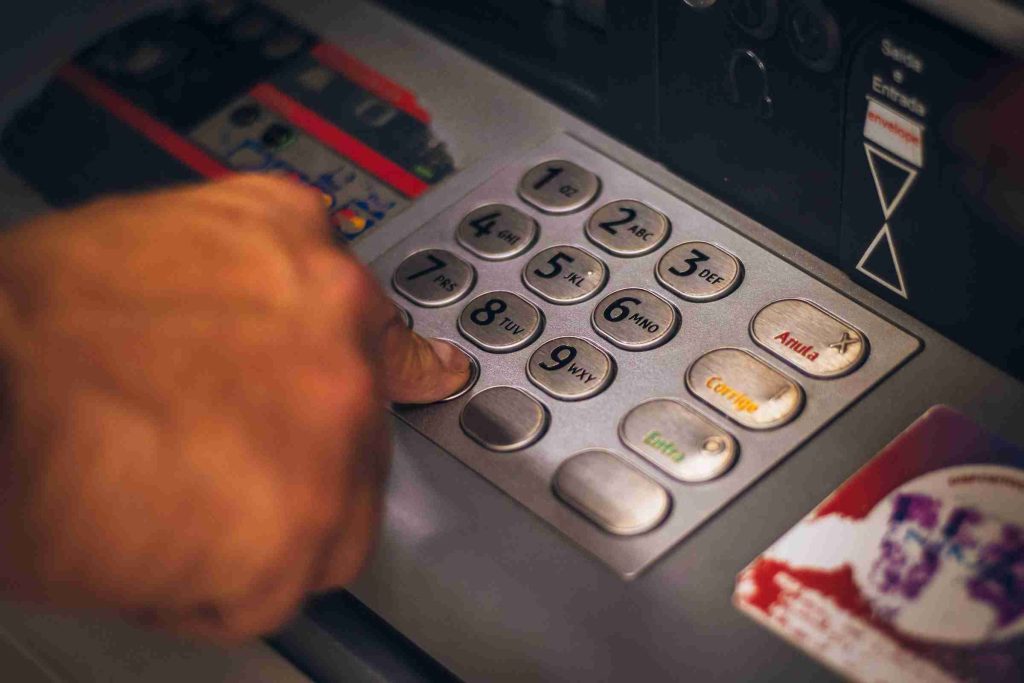
1. Withdraw Cash Directly From a Bank Branch
One of the simplest ways on how to take money out savings account is by visiting your local bank branch and requesting a cash withdrawal from a teller. This traditional method provides face-to-face service, identity verification, and clear guidance if you are unsure about withdrawal limits or account rules.
Branch withdrawals are especially helpful for large sums because staff can prepare the amount safely and securely. Most banks do not charge for in-branch withdrawals, making this option both convenient and cost-efficient.
2. Transfer Funds to a Linked Checking Account
Another effective method for how to take money out savings account is transferring money to a linked checking account. Checking accounts are designed for frequent spending, bill payments, and debit card transactions, so moving funds first helps you avoid limits placed on savings withdrawals.
Transfers can usually be completed instantly through mobile banking or online banking platforms. This process gives you flexibility while still keeping your savings separate from everyday spending.
3. Use an ATM That Accesses Your Savings Account
Many banks allow ATM access directly from savings, which is another answer to how to take money out savings account when you need physical cash quickly. You simply insert your card, select savings, and choose the withdrawal amount. It is important to use ATMs within your bank network to avoid additional fees or surcharges.
This method is convenient for small to moderate withdrawals and works well when branches are closed or you are traveling.
4. Request a Bank Cashier’s Check
If you are making a large purchase such as a car payment or property deposit, one secure way for how to take money out savings account is by requesting a cashier’s check. The funds are withdrawn from your account and converted into a guaranteed bank-issued payment instrument.
This protects both you and the recipient because the check cannot bounce like a personal check might. Many banks offer cashier’s checks for a low fee or even free for premium account holders.
5. Set Up an Electronic Funds Transfer (EFT)
Electronic Funds Transfer is another structured solution for how to take money out savings account without carrying cash or visiting a branch. You can authorize the bank to move funds electronically to another financial institution, service provider, or individual.
EFTs are widely used for tuition payments, property transactions, and scheduled transfers. They are reliable, traceable, and typically cost less than wire transfers while still providing strong security.
6. Use Online Banking to Transfer to External Accounts
For people managing multiple banks, learning how to take money out savings account through external transfer features is extremely useful. Most banks allow you to link external accounts and move money electronically between institutions.
This is helpful if one bank offers higher interest while another is used for everyday spending. Although transfers may take one to three business days, fees are usually minimal or nonexistent when both banks support free transfers.
7. Make a Wire Transfer for Urgent Withdrawals
When timing is critical, another way on how to take money out savings account is through a wire transfer. This method moves money almost instantly, which is ideal for real estate closings, emergency payments, or international transactions.
However, wire transfers are often more expensive than other withdrawal options, so they should be reserved for situations where speed outweighs cost. Always double-check recipient details because wire transfers are difficult to reverse.
8. Withdraw Using Banking Apps and Digital Wallets
Modern digital banking tools also play a role in how to take money out savings account efficiently. Many banks integrate with digital wallets and financial apps that let you move funds digitally for online purchases, subscriptions, or peer-to-peer transfers.
These transactions may route through a checking account, but the initial transfer still originates from savings. This makes it simple to access funds without physically visiting the bank or ATM.
9. Request an Over the Counter Transfer to Another Internal Account
If you prefer in-person service, another strategy for how to take money out savings account is to ask a teller to transfer funds internally to another account under your name. Internal transfers are immediate and often free, providing a safe method to reposition funds for payments or budgeting.
This method is especially helpful for customers who want human assistance or have complex account structures such as joint accounts or business accounts.
10. Close the Account When You No Longer Need It
In rare cases, the final method for how to take money out savings account is to close the account entirely, particularly when the account generates low returns or duplicate fees. Closing the account allows the bank to release the full balance to you via cash, check, or transfer.
Before doing so, it is important to ensure that any automatic deposits or withdrawals are redirected. Responsible closure prevents accidental overdrafts and helps streamline financial organization.
Understanding Withdrawal Limits and Avoiding Hidden Fees
While learning how to take money out savings account, it is important to understand that banks may apply withdrawal limits to encourage long-term saving behavior. Some institutions also reduce interest earnings if frequent withdrawals occur or if balances drop below a minimum threshold.
Reviewing your account terms helps you plan withdrawals strategically and avoid unnecessary charges. The goal is to access your money while still allowing your savings to grow consistently over time.
How Security Protects Your Savings During Withdrawals
Security is a vital part of understanding how to take money out savings account safely. Banks use encryption, transaction monitoring, and identity verification to ensure that only authorized individuals access funds.
Customers should also practice caution by avoiding public Wi-Fi for mobile banking, safeguarding ATM PINs, and monitoring statements regularly. These habits work together with bank security systems to protect your financial stability.
Conclusion
Mastering how to take money out savings account empowers you to manage your finances confidently, respond to unexpected expenses, and move funds strategically without losing money to avoidable fees. Whether you prefer in-branch service, ATM withdrawals, digital transfers, or secure payment instruments, each method has its own advantages depending on your situation.
The key is to choose the most appropriate withdrawal option while respecting account rules, maintaining strong security practices, and preserving your long-term savings goals. When you understand how to take money out savings account effectively, you gain greater control over your finances and peace of mind knowing your money is both accessible and protected.
Read more: 10 Type of Good Banks For Saving Money That Help Your Balance Grow Faster